
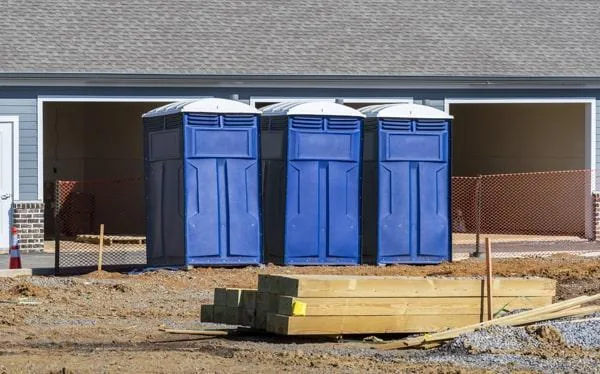
Give one site contact the operating handover
Record the installed positions, the agreed delivery and service entrance and the person responsible for opening it when the site is locked. Include a backup contact if the main person is absent. Confirm what access instructions may be shared with the provider; do not circulate unrestricted gate credentials unnecessarily.
Keep the accepted rental scope available to that contact. It should distinguish toilet tank care, cleaning and replenishment from any washing-station water, soap, drying supplies and used-water tasks. Standard cabins store waste for provider service; they are not connected to the site sewer merely because other construction utilities are present.
Use the work programme to protect the service approach
Before a material delivery, excavation or temporary barrier occupies the approach, check whether it affects workers reaching the facilities or the provider reaching them. Those may be different routes. Raise the conflict while the work can still be coordinated, rather than waiting until a service vehicle is at the gate.
Keep standing areas, door space and accessible approaches clear of storage. A service appointment does not authorize the driver to cross active works or use another entrance. If the agreed route cannot be made available, contact the provider and responsible site person to arrange the next workable step.
Separate a site check from an equipment service visit
A site check can identify an obstructed door, missing consumables, a damaged unit or a washing station that cannot be used. Give the provider the affected position and a plain description of the problem. Record when it was reported so a replacement contact does not assume the issue has already been resolved.
That check does not replace professional waste removal or agreed cleaning and restocking. Establish what the provider performs and what the site is permitted and expected to do between visits. Do not add chemicals, empty tanks, discharge station water or attempt repairs without the appropriate instructions.
Pause unagreed changes before they become a new setup
A request to move a cabin, close a gate, open another work area or add an overlapping crew should trigger a discussion. State what changed and when, then ask whether equipment, placement or care needs updating. Avoid passing a new instruction through an unrelated driver or treating an informal move as an approved revision.
For a temporary obstruction, explain its expected duration and the remaining routes rather than declaring the whole order unsuitable. For sustained new demand, provide the revised users and occupied hours. This gives the provider and site contact the right problem to solve without automatically ordering more of the same equipment.
Keep the handover active until collection is complete
Confirm when the last people will finish, including cleaning and demobilization crews. Agree removal after their needs are addressed, with the provider’s collection requirements understood. Do not let final fencing, resurfacing or lock changes cut off the equipment while it is still on site.
Tell the provider who will receive collection if the normal supervisor has left. Check the agreed rental end and any extension or extra-visit terms rather than assuming a project completion notice ends every service automatically. Review delivery, care, supplies and removal together when settling a changed order.
Questions before you book
Should workers move a cabin out of the way of a delivery?
Arrange the conflict with the site contact and provider first. A new position needs suitable support, handling access and user access; an improvised move can undermine the agreed arrangement.
What information helps when reporting an unusable facility?
Identify its site position, what is wrong, when it was noticed and any access restriction affecting a response. Avoid assuming the cause or attempting unapproved repairs.
Can the gate arrangement end when the main contractor leaves?
Only after collection or an agreed replacement access arrangement. Equipment remaining on the property still needs a receiving contact and workable pickup route.