
Turn the cleanup into a material description
Explain whether the work is a household clearout, renovation, property cleanup or another project. Describe the main materials and distinguish bulky items from dense debris. Room count or floor area alone can hide that difference: empty space in a container and remaining weight allowance are not the same thing.
Identify mixed or uncertain items before loading. Ask the provider what is accepted, excluded or required to remain separate for the offered service. Do not put unknown or potentially hazardous materials into an ordinary debris load; arrange appropriate professional guidance for them. Acceptance is part of the order, not something to discover when collection arrives.
Choose the service category as well as the container
A dumpster is a temporary debris container with agreed handling and collection. It is distinct from servicing a portable toilet’s waste tank and from an ongoing household collection arrangement. Explain whether the task involves one accumulated cleanup or material produced across several stages.
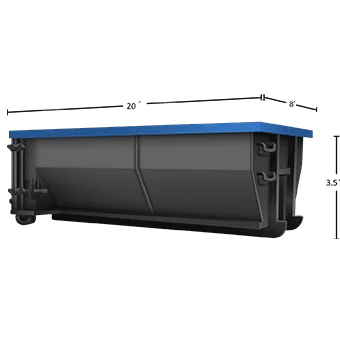
Describe how the debris will reach the container and who will load it. Delivery does not automatically include carrying items from a building, sorting materials or cleanup labor. Ask the provider to identify the offered container specification and loading limits rather than assuming a photograph proves which size or model can be supplied.
Resolve the property questions before accepting a location
Identify a stable proposed standing area and who controls it. Ask about shared-property permission and any applicable public-space requirements before using a road, sidewalk or another party’s land. A rental confirmation does not grant those permissions.
Describe gates, surfaces and overhead restrictions so the provider can assess the handling arrangement. Keep loading clear of pedestrian routes, parking and required access. If toilets are also on site, protect their guest and servicing routes rather than allowing debris or the container to obstruct them. Detailed truck approach and later recovery deserve their own review.
Read the offer against the material list you supplied
Confirm the accepted debris, equipment, rental duration, loading limits, disposal or weight allowance, transport and collection. Ask how changed material, additional time or another collection would be handled. Compare those inclusions across proposals without assuming a generic container description covers the entire project.
Use the dumpster call or quote option and include the actual Everett-area address and anticipated dates. Before pickup, verify that the load matches the agreed terms and preserve the handling access. Report changes before the visit; an enquiry does not confirm availability, and spare container space is not permission to add an excluded item.
Questions before you book
Can I request a quote without knowing the container size?
Describe the materials, approximate amount, bulky or dense items, loading method and property conditions. Ask the provider to discuss an appropriate offered container.
Does dumpster delivery include loading labor?
Do not assume that. Confirm who carries, sorts and loads the debris separately from equipment delivery and disposal.
Can the same rental handle toilet waste and renovation debris?
No such combined use should be assumed. A debris container and portable restroom servicing have different functions and agreed waste arrangements.
What if the materials change after booking?
Tell the provider before adding the new material. Acceptance, loading limits or the collection scope may need revision.