
List the work groups the first order must serve
Describe the crews present at the same time, their shift pattern and the areas in which they work. Include subcontractors where they are part of that actual attendance. A project’s total personnel list is not the same as the group using facilities during an overlapping shift.
Mark which building bathrooms workers are allowed to use and when access begins or ends. Do not count facilities behind a locked or restricted entrance as available simply because they appear on a drawing. Record the present need separately from anticipated later work, with a date for reviewing that later requirement.
Assign a function to the equipment being requested
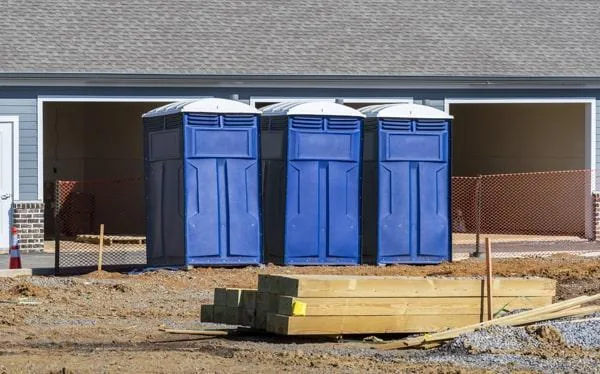
A standard cabin provides an enclosed toilet with waste stored in a holding tank for provider servicing. It may meet the basic toilet function but does not automatically provide a basin, a flushing system or an accessible entrance. Ask what is included in the actual model rather than assuming extra features from a category name.
Where workers need a suitable accessible arrangement, compare the offered equipment together with its approach and usable space. Plan washing separately when no suitable sink is available: water, soap, drying provision and used-water handling all need an arrangement. A sanitizer dispenser is not the same facility as a handwashing station.
Enhanced cabins or trailers can be discussed for a different requirement, but check their actual space, handling and connection needs. An upgrade is not automatically necessary for a longer project, nor can it be substituted for a standard cabin without checking the location.
Compare a shared location with facilities closer to separate zones
A common facility area can be considered where all intended workers have a usable route to it. If a work zone is isolated by gates or active operations, explain that separation before treating a central group of units as the answer. The choice involves distribution and access as well as the total quantity.
For each proposed position, have the responsible site contact and provider assess ground support, entrance clearance, handling space and repeated service reach. Consider how stored materials and later deliveries affect that space. The shortest walk for one crew may not be the most workable location for the whole arrangement.
Order for the current phase without concealing the next one
State the initial hire period and the point at which the crew or occupied area is expected to change. If the future plan is uncertain, say so. Ask how a revised quantity, relocation or longer period would be discussed; do not treat a provisional later need as a confirmed extension.
Cleaning, waste care and replenishment should reflect the use expected during the agreed period. Ask which visits and supplies are included, how problems between visits are reported and what requires an additional arrangement. More cabins and more frequent care are different decisions, not interchangeable solutions.
Separate the equipment order from the daily site procedure
The quotation should name the equipment, quantity, dates, transport, care, consumables and final removal. Share the actual receiving entrance and site contact so delivery can be considered against the agreed position. Check the collection window before site access is withdrawn at the end of the work.
Once the selection is settled, give the superintendent or sanitation contact the operating details. Gate access, temporary obstructions, damage reporting and unplanned moves need a daily procedure. The construction-site guide covers that handover without asking you to choose the equipment again.
Questions before you book
Should the first order include every worker expected over the whole project?
Describe the people present together and the current work zones, then identify later phases separately. Ask the provider to base its proposal on those actual use patterns rather than a cumulative personnel total.
Does a standard construction toilet include washing?
Not necessarily. Confirm the offered model and any usable existing sink, then specify a separate washing arrangement if needed.
Can units be shifted to the next work zone when the crew moves?
Discuss relocation with the provider and site contact before moving equipment. The new ground, user approach and service route need assessment, and the order may need updating.