
Translate the sanitation questions into a working schedule
Bothell’s 2025 Special Event Packet asks organizers to describe portable-toilet numbers and locations and notes that larger events may need toilets and handwashing stations. It also connects the event to layout and traffic planning. Confirm the current requirements for your specific event rather than treating the dated packet as an approval.
For each proposed sanitation point, identify the facility type, the users it serves and when it is needed. Record whether a position is proposed, accepted by the property or still under discussion. This keeps an early number on an application from silently becoming a confirmed supplier instruction.
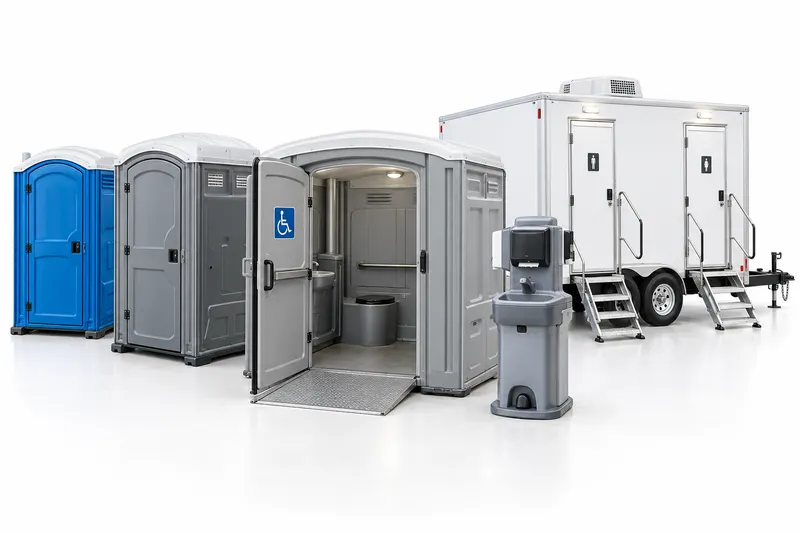
Explain the equipment behind each entry
A standard cabin provides a toilet and waste-holding tank for later servicing. Accessible options address different user needs and require an appropriate approach; they are not interchangeable with an additional ordinary cabin. A washing station adds a separate water-and-soap function with supplies and used-water care.
Count usable permanent bathrooms only after checking who may enter them and their hours. Describe attendees, vendors and other workers, including periods before public opening and after closing. Ask the provider to discuss equipment and care using that information, not just the total attendance printed elsewhere in the event packet.
Connect sanitation locations with the access plan
Locate restroom doors, washing approaches and likely waiting space alongside the event’s pedestrian and traffic arrangements. Keep emergency routes and public circulation available under the accepted plan. Do not use a blank corner on the drawing as evidence that equipment can be handled or used there.
Ask how the provider reaches the units when stalls, barriers and guests are present. Delivery before setup does not establish a workable service visit during the event. If the approach depends on a gate opening or temporary activity pause, resolve that with the organizer and provider before relying on it.
Give each care task a responsible contact
State who checks toilet usability, washing water, soap and drying supplies during the occupied period. Identify how that person reports a problem and who can request additional attention. Do not assume routine provider visits include an on-site attendant or that volunteer checks replace professional tank or used-water service.
Agree the cleaning, waste care and replenishment scope for the duration and pattern of use. Connect cleanup arrangements with the restroom area without combining unrelated waste systems: event trash is not toilet waste, and station used water must not be emptied into an unapproved drain or onto the ground.
Reconcile the final submission and the accepted order
Before scheduling, check that both documents describe the same equipment and positions. Provide the actual entrance, receiving contact, use period and accepted delivery and collection windows. Ask the quote to state equipment, transport, supplies, care and removal so an omission can be settled before the event.
If the City or venue changes a location or access condition, relay it to the provider and obtain an updated arrangement. Equally, an offered equipment substitution may require a layout review. A permit submission does not reserve equipment, and a rental confirmation does not itself grant event permission.
Questions before you book
Does the 2025 packet settle the conditions for my event?
No. It provides a scoped planning reference. Check the current application and venue conditions for the event you are organizing.
Why identify the users of each sanitation point?
Different activity areas, hours and access needs can make an overall event total misleading. The provider needs to understand the demand each position is intended to serve.
What if toilets move on the final event map?
Tell the provider before delivery and review handling, user access and later servicing at the new position. Update the accepted rental arrangement as well as the map.