
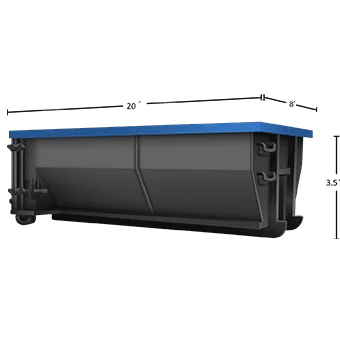
Follow the proposed vehicle movement through the property
Give the supplier the actual entrance and proposed container position, not only the postal address. Explain any narrow approach, turning restriction, slope, gate, overhead obstruction or surface concern. The supplier needs to assess its offered truck and container together; a photograph of an empty parking space cannot establish that the handling operation will fit.
A roll-off is delivered for use at the agreed position and recovered by suitable handling equipment. Do not plan to move it around the site yourself. Ask what clear working area the particular arrangement requires and which property permissions must be settled before delivery. If the proposal relies on a street, shared access or another owner’s land, resolve that permission rather than treating it as spare space.
Protect a working area, not merely the container footprint
Consider how people will bring debris to the container without filling the recovery area with loose material. Reserve agreed access for the full hire, including any door or loading approach the offered model uses. Discuss protection of the proposed surface with the property owner and supplier; neither a clear drawing nor a protective material is a promise that every surface is suitable.
Only the accepted debris belongs in the load. Ask for the supplier’s loading boundary, weight terms and instructions for dense materials before workers begin. Available space is not permission to exceed those limits. Keep uncertain or prohibited materials separate and discuss them instead of hiding them under a mixed load.
Choose the next visit by what the project needs next
A final collection ends the need for that container. An exchange removes a load while another container is needed for continuing work. An extension changes how long the current arrangement remains on site. These are different requests: none should be assumed to happen automatically when a container looks full or a project date changes.
For work producing debris in stages, describe the expected sequence and any uncertainty when asking for a quote. Ask how to request the relevant visit, what access must remain available, and how a changed date or additional movement affects the price. Do not schedule a demolition phase around an unconfirmed exchange.
Recheck the recovery conditions before the booked visit
Use one site contact to report changes such as a new gate, scaffolding, parked delivery vehicles or a different entrance. Clear the agreed approach and working area, finish loading within the accepted boundaries and keep loose debris away from the handling operation. A supplier must review a changed condition; an earlier successful delivery is not approval for a different recovery route.
The quote should identify the accepted materials, offered container, rental period, delivery and collection movements, and any agreed exchange arrangement. Compare weight and disposal terms, extra-time provisions, access-related conditions and responsibility for loading. Record who can authorize a change so separate trades do not give conflicting collection instructions.
Questions before you book
Is enough space for the container enough for delivery?
Not necessarily. The supplier also needs to assess its vehicle approach, turning and handling space, surface and overhead conditions for the offered equipment.
Does a pickup request automatically include a replacement?
No. Explain whether work is finished, you need an exchange, or you want more time with the current container. Confirm the requested arrangement and its terms.
What if the route changes after delivery?
Tell the supplier before the recovery visit and arrange a review of the change. Do not move the container or assume a newly obstructed route can still be used.
Who loads the debris?
Confirm that responsibility in the order. Container delivery and removal should not be taken to include labor to carry or sort debris on the property.